
Closing the gap between plan and actual: unlocking underground value through Short Interval Control (SIC)

Image: AdobeStock.
In underground mining, value is rarely lost in one dramatic moment. More often, it is lost in minutes.
A delayed start. A truck waiting for loading. A heading not ready. A piece of equipment standing idle. A crew waiting for access. A production activity interrupted by scaling, rehabilitation, ground conditions or handover issues.
Each instance may appear small in isolation. But when these moments are compounded across a shift, a day or a week, they create a material gap between planned and actual performance.
For years, underground mining operations have had strong planning processes, experienced teams and increasingly sophisticated equipment. Yet one challenge has remained persistent: the ability to see, understand and respond to performance variance while there is still time to influence the shift.
This is where Short Interval Control, or SIC, is becoming increasingly important.
From reporting performance to managing performance
Short Interval Control is a structured management process that breaks production targets into shorter, more manageable intervals, typically hourly or sub-shift timeframes.
Rather than waiting until the end of a shift, day or reporting cycle to understand performance, SIC provides regular visibility of plan versus actual throughout the shift.
At its simplest, SIC focuses on disciplined execution by helping operations:
- Track progress against plan in real time
- Detect deviations early
- Respond to emerging issues before they escalate
- Improve accountability at the frontline supervisor level
- Support a culture of continuous improvement
Factor in modifications to plan to drive future efficiencies. In simple terms, SIC shifts an operation from reporting on missed opportunities after the fact to managing performance while recovery is still possible.
For underground mining, this is a significant change. Historically, many operations have been able to review what happened underground only after the shift was complete. By then, the opportunity to take corrective action has passed.
SIC introduces a different operating rhythm: plan, execute, monitor, identify deviation and respond within the shift itself.
Why SIC matters underground
Mining companies do not generally struggle to create plans. The greater challenge is consistently delivering on those plans in dynamic, complex underground environments.
Underground operations are exposed to constant variability. Sequences do not always flow cleanly. Activities are disrupted by conditions at the face. Equipment and crews may be ready at different intervals. Work can stop because of access constraints, paste, ventilation, flooding, rehabilitation requirements or unplanned downtime.
This means time is not only lost during activities, it is often lost between activities.
That distinction is important.
When operations focus only on productive tasks, they may miss the larger opportunity hidden in standby, delay and downtime. In many underground environments, a significant portion of the shift can be consumed by non-productive time. The real value is often recovered by reducing the gaps between steps, improving coordination and acting earlier when the plan starts to drift.
Short Interval Control creates visibility of these losses early enough for the operation to respond.
That response may involve reallocating equipment, escalating a constraint, changing a sequence, improving readiness for the next task, or making a supervisor-led decision before the issue compounds further.
Beyond tonnes, metres and cycles
SIC is often discussed in the context of production: tonnes moved, metres advanced, cycles completed or headings progressed.
But its value extends beyond production metrics.
When an operation improves its ability to control execution in real time, it also improves predictability. A smaller gap between plan and actual strengthens confidence in forecasts, schedules and downstream planning.
It also supports cost control. Mining costs are largely time-based, so delays, idle time and underutilised assets directly affect operating cost. Identifying underperformance earlier helps reduce wasted time and effort.
Asset utilisation is another critical benefit. Underground fleets are high-cost assets. When those assets are waiting, queuing, operating below target or unavailable, value is eroded. SIC provides a framework to make these issues visible and actionable.
There are also important indirect benefits. Better coordination underground can reduce unnecessary idling and queuing, which can lower fuel burn, reduce emissions and decrease wear on equipment. In this way, SIC can contribute to safety, sustainability and ESG outcomes, not as a separate initiative or afterthought, but as a result of better operational control.
Execution excellence and responsible mining are increasingly connected.
Why SIC is now viable underground
The concept of SIC is not new. It has been used effectively in surface mining, manufacturing and other industries where performance is measured and managed in short, structured intervals.
The reason SIC has historically been more difficult underground is that underground environments lacked the infrastructure and data required to make it effective.
Reliable real-time communications were not always available across all operating zones. Mobile equipment telemetry was limited. Data from the working face was often delayed. Personnel and asset location visibility could be inconsistent. And even when data was available, operations often lacked the ability to overlay multiple data sets to establish a clear view of plan versus actual.
That is changing.
Three major enablers have now converged.
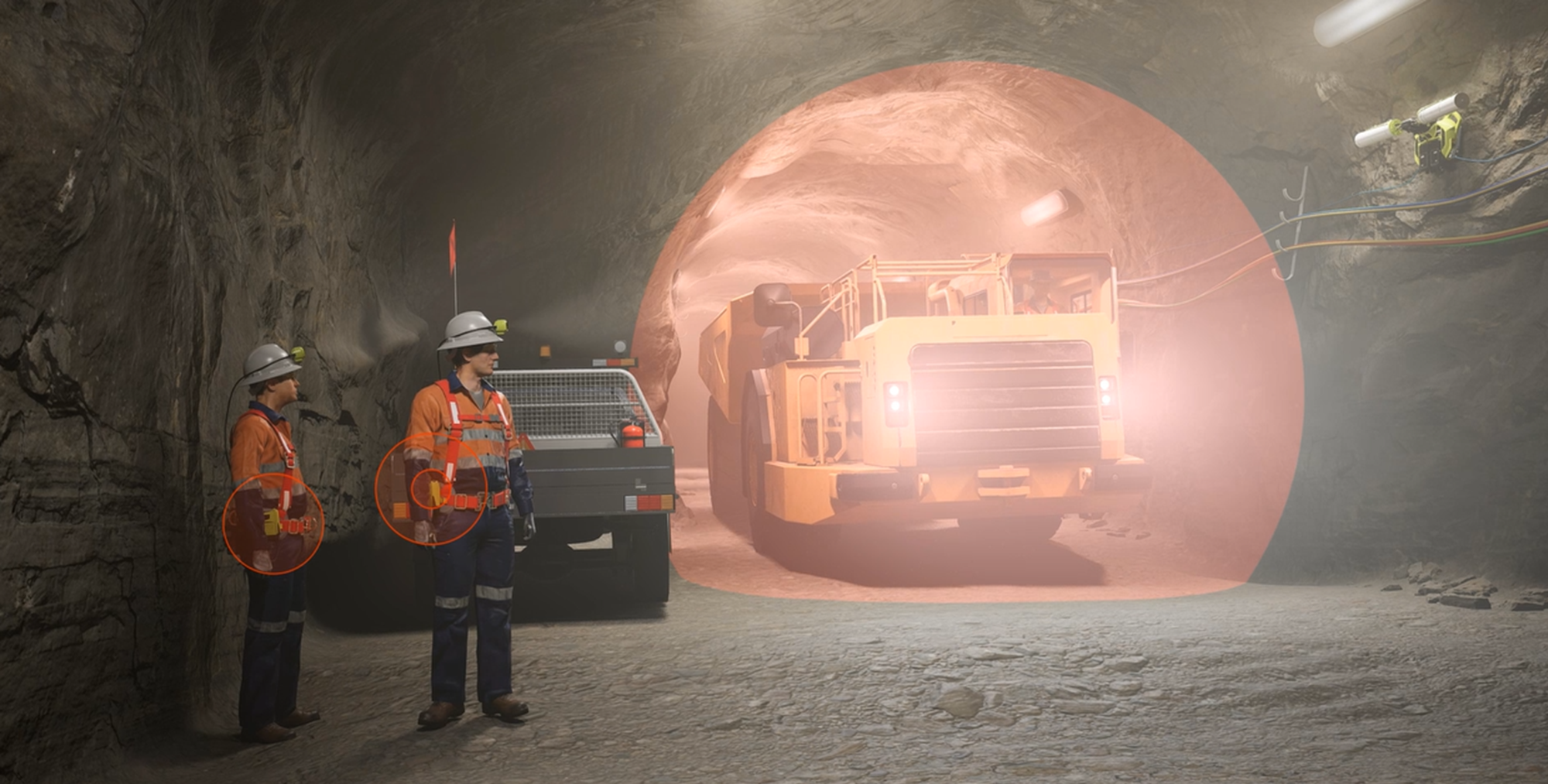
The first is improved underground communications. High-bandwidth fibre backbones, private wireless networks, Wi-Fi, Bluetooth, mesh extensions, mobile connectivity and edge computing are creating more reliable digital coverage underground.
The second is the growth of tracking and mobile equipment telemetry. Mines can now access real-time data on personnel movement, equipment location, equipment health, utilisation, cycle times, idle time, operator behaviour and automated production reporting.
The third is an industry-wide shift toward execution excellence. Across mining, there is increasing focus on operating discipline, variance management, data-driven decision-making and accountability at the frontline supervisor level.
Together, these changes create the foundation required to make SIC practical underground.
MST Global as a key conduit for SIC
For SIC to work, it needs more than a process. It needs a digital foundation.
MST Global’s role is critical because SIC depends on reliable, real-time, high-integrity data from across the underground environment. Without that data, short interval control quickly becomes delayed reporting.
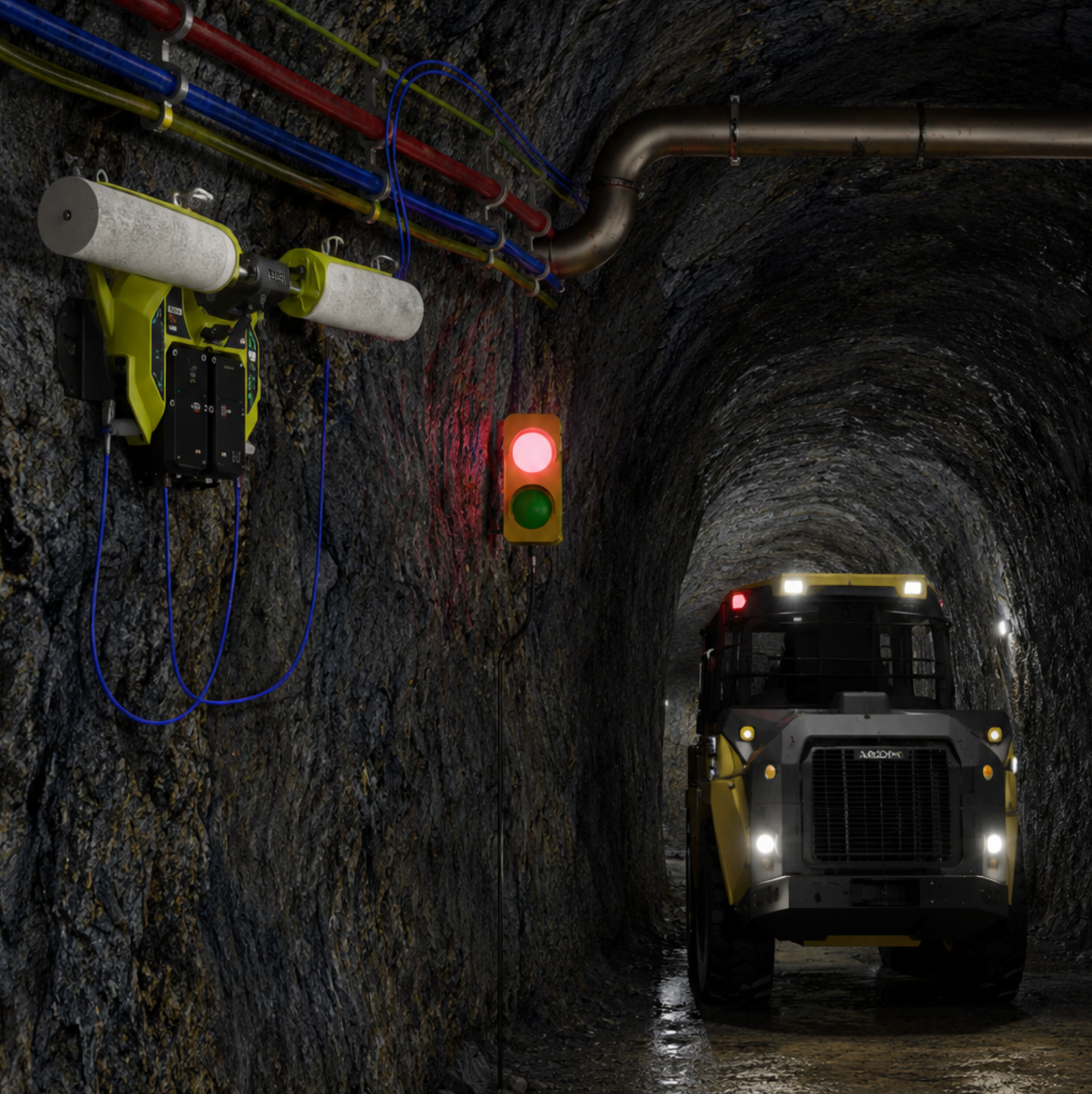
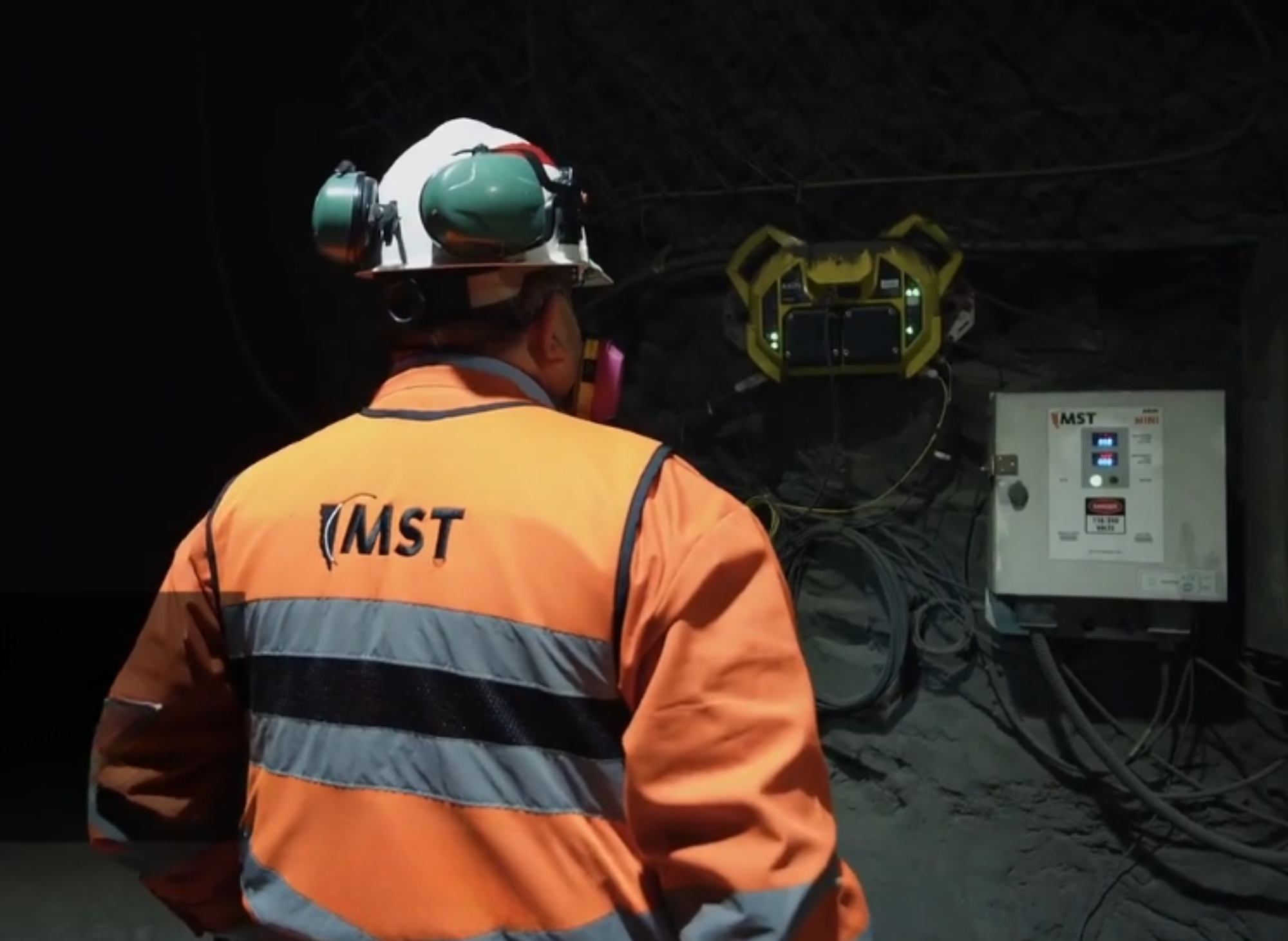
MST provides the communications backbone that allows underground operations to connect people, equipment, systems and data. This includes high-availability underground networks, fibre and wireless infrastructure, 5G - 6G connectivity, mobile fleet communications, edge data aggregation and secure backhaul to surface control rooms.
In this sense, MST provides the digital nervous system of the underground mine.
This infrastructure enables the real-time visibility that SIC requires. It allows operations to track fleets, monitor personnel location, capture production activity, stream equipment telemetry and access environmental data. It also supports integration with OEM systems and operational platforms, helping create a more complete picture of what is happening underground.
That transparency is the prerequisite for short interval decision-making.
HELIX: Turning data into action
If MST’s communications infrastructure provides the nervous system, HELIX provides the operational intelligence layer.
HELIX brings together data from across the mining ecosystem and presents it in a way that supports real-time action. Rather than leaving information scattered across systems, HELIX helps converge operational data into a single platform.
This includes fleet telemetry, environmental data, personnel location, network health, equipment status and operational KPIs.
For SIC, this convergence is essential.
The value of SIC is not simply receiving more data. It is seeing the right data, in the right context, at the right time, so supervisors and control rooms can act while the shift is still in progress.
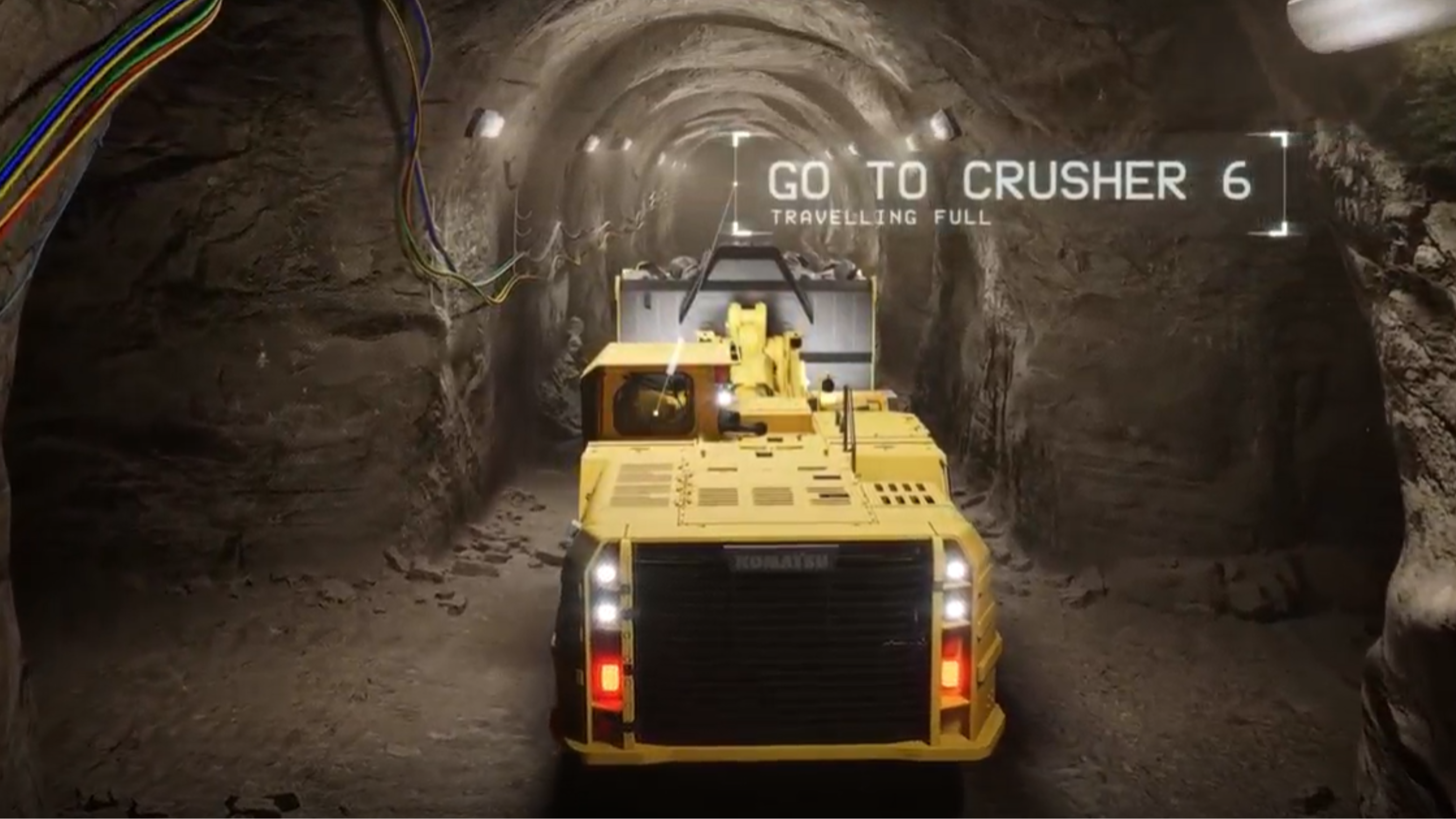
HELIX supports this through real-time operational dashboards, interval-based production tracking, shift-level KPI visibility, deviation alerts, supervisor dashboards and control room views. These capabilities align directly with the cadence of SIC: regular review, rapid escalation and timely correction.
The platform also supports closed-loop variance management. SIC requires a clear cycle: plan, execute, measure, identify deviation and correct. HELIX enables automated deviation detection, alert workflows, real-time decision support and historical performance analytics.
This converts raw telemetry into actionable management control.
Building accountability and operating discipline
SIC is as much about people and culture as it is about technology.
A connected underground mine with real-time dashboards is only valuable if the organisation has the discipline to act on the information. That means clear ownership of KPIs, structured shift reviews, consistent escalation pathways and a shared understanding of what good performance looks like.
HELIX supports that operating model by giving supervisors, control rooms and operational leaders a consistent view of performance. It enables shift-level reporting, performance trending, root cause analysis and data-backed coaching.
This helps move conversations away from opinion and toward evidence.
When teams can clearly see where the plan is drifting, why it is happening and what action was can be taken, accountability improves. Over time, this creates a stronger culture of execution excellence.
The business case for real-time control
The strongest argument for SIC is simple: time lost within the shift cannot always be recovered later.
A mine manager or superintendent cannot wait until the end of the month to discover the operation is off plan. In most businesses, performance is tracked frequently, variance is investigated early and action is taken before small issues become larger problems.
Underground mining should be no different.
SIC brings that same level of business discipline to the shift. It creates a more immediate connection between planning and execution. It helps frontline leaders understand whether work is progressing as intended. And it gives operations the opportunity to recover value before it is lost.
For mines facing pressure to improve productivity, reduce cost, strengthen safety outcomes and meet ESG expectations, this is increasingly important.
From Infrastructure Provider to Transformation Partner
MST’s role in SIC is not limited to connectivity.
By combining robust underground digital infrastructure with the HELIX platform, MST enables a broader transformation in how underground operations are managed.
- MST and HELIX together support:
- Real-time operational discipline
- Digital shift management
- Data-driven decision-making
- Fleet and personnel visibility
- Environmental monitoring
- Deviation response
- Performance trending
- Continuous improvement
This positions MST as more than a technology supplier. It positions the company as a partner in operational transformation.
The future of underground mining will depend on the ability to connect, visualise and control increasingly complex operations in real time. SIC provides the management framework and. MST provides the infrastructure and intelligence layer that makes it possible.
Closing the gap between plan and actual
Short Interval Control is fundamentally about time, visibility and action.
It recognises that value is lost in small increments and the ability to respond during a shift is essential to improving performance. It gives mining teams a practical framework to reduce the gap between plan and actual, improve predictability, lift asset utilisation and strengthen operational discipline.
For underground mining, the opportunity is significant.
With modern communications, telemetry, tracking and integrated platforms such as HELIX, SIC is no longer limited to surface operations. It can now be applied underground with the real-time visibility and control required to make it effective.
The result is a shift from reactive reporting to proactive management.
And for mining operations seeking to unlock value underground, that shift may be one of the most important steps toward the next era of execution excellence.
Interested to know more? Contact the authors for more information on MST Global and HELIX solutions.