
Waste batteries – are you prepared for the coming avalanche?
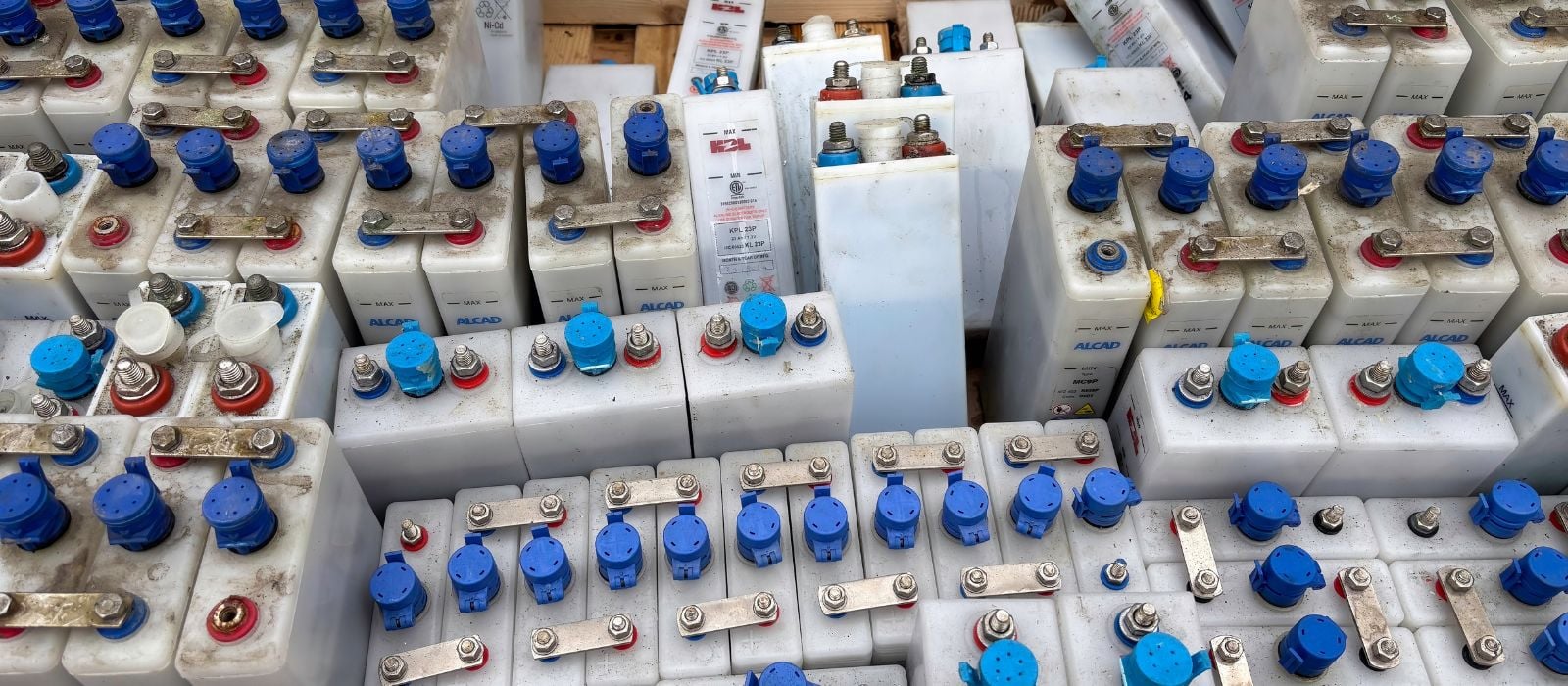
Industrial wet nickel cadmium batteries for recycling. Photo: John - stock.adobe.com
The electrification of Australian mine sites will see a boom in the use of batteries of all chemistries.
Lead-acid batteries, a traditional mainstay of the mining industry, are expected to nearly double by 2030; however, their use will be eclipsed by the significant growth in lithium batteries. By 2030 the lithium battery market is forecast to be nearly four times the size of the lead-acid battery market.
Unfortunately, this will result in a corresponding avalanche of waste batteries to be disposed of.
Barely a day goes by without battery-generated fires being reported in the media and they have become an increasing nightmare for waste management companies and waste facilities.
The safe recycling of batteries will also become increasingly important for mine sites to achieve their sustainability goals and reduce their environmental footprint.
Many mining companies are failing to safely manage waste batteries and ensure they are correctly recycled. Furthermore, regulations will only increase in complexity as an increasing number of different battery chemistries become available.
What can mining companies do to minimise the risks posed by waste batteries and reduce their environmental footprint by ensuring they are recycled correctly?
Identifying the risks posed by waste batteries
The following battery chemistries are commonly used by the Australian mining industry:
- Lead-acid batteries, both wet and non-spillable. Most are classified as dangerous goods except for some non-spillable batteries. All are a hazardous waste.
- Lithium batteries, including lithium ion, lithium polymer and lithium metal batteries. All are classified as dangerous goods and hazardous waste.
- Nickel cadmium wet alkali batteries are classified as a dangerous good and hazardous waste.
- Alkaline, zinc carbon, nickel metal hydride, nickel cadmium (dry) but also lithium used in small portable dry cell batteries (eg AAA, AA, C, D, button). All are classified as hazardous waste while the lithium batteries are a dangerous good.
The risks associated with waste batteries will vary depending upon their chemistry, but typically include:
- Lifting and impact injuries. Most larger batteries are heavy, often weighing 60 to 70 kg. Manual handling can result in lifting or impact injuries if dropped.
- Impact to human health and the environment. Some batteries are classified as dangerous goods and hazardous wastes and come with significant toxicity risks for both the environment and humans.
- Fire risks. Many waste batteries still contain significant energy and pose a fire risk if not stored, handled and transported appropriately.
- Legal and insurance risks. The transport ‘Chain of Responsibility’ provisions mean that consignors need to ensure compliance with road and dangerous good transport regulations. Companies and individuals can be held legally liable for breaches and resulting incidents.
What are the regulations governing waste batteries?
Understanding and complying with the regulatory requirements is a good starting point to reducing most of the risks associated with waste batteries.
Due to some battery chemistries, such as lead-acid and lithium batteries being classified as both a dangerous good and hazardous waste, the regulations governing their storage and transport can be detailed and complex. The regulations are also designed and administered by several different government departments, which results in additional complexity and compliance burden. As a result, few mining companies have a good understanding of the regulatory requirements and the risks they are exposed to.
For waste batteries that are classified as both dangerous goods and a hazardous waste, the regulations include the following.
For storage and handling
- Work Health and Safety (WHS) Regulations, based on Safe Work Australia’s Model Laws and Regulations. Relevant sections include ‘Hazardous Work’, ‘Hazardous Chemicals’ and ‘General Workplace Management’.
- Safe Work Australia have also produced a number of Model Codes of Practice, such as ‘Managing Risks of Hazardous Chemicals in the Workplace’. You should check which of these codes of practice have been approved and incorporated into your state WHS Regulations.
- State-based Dangerous Goods Safety (Storage and Handling) regulations, which may go under a slightly different name in each state.
- State-based Environmental Protection Regulations, which may go under a slightly different name in each state.
For transport
- The National Transport Commission’s Australian Code for the Transportation of Dangerous Goods by road and rail (ADGC). A competent authority in each state is responsible for administrating the regulations.
- The National Transport Commission’s Load Restraint Guide 2004.
- The National Transport Commission’s Heavy Vehicle National Laws including the important Chain of Responsibility provisions. Most states have adopted these laws; Western Australia has its own laws.
Ensuring your batteries are correctly recycled
For waste lead-acid batteries, scrap metal and waste management companies involved in the collection phase can sell these batteries to several Australian-based recyclers. Provided the London Metal Exchange (LME) lead price remains relatively strong, there is little chance that these batteries would not be recycled by an approved Australian recycler.
Unfortunately for the other battery chemistries there is usually a cost associated with their recycling and there are limited options available in Australia. Due to the recycling costs, there is a risk that the batteries will be dumped to landfill. Because waste batteries collected from mining companies will be consolidated with batteries from other sources, it can be difficult to directly verify that your batteries were correctly recycled.
However, mining companies can request an annual report of the battery volumes sent by a collector to an accredited recycler to provide some level of assurance that their batteries are being correctly recycled.
Conclusion
Most mining companies have a poor understanding of the regulatory requirements and the risks they are exposed to when dealing with waste batteries. The problems and the risks will increase exponentially with the electrification of mine sites and the expected explosive growth in battery usage in the coming years.
Mining companies will need to better educate their workforce as to the risks and put in place systems to deal with the expected avalanche of waste batteries.
This article was originally published as a paper at the 2024 International Mine Health and Safety Conference. AusIMM members can download the full conference proceedings here.