
Whitepaper excerpt: Building the all-electric mine
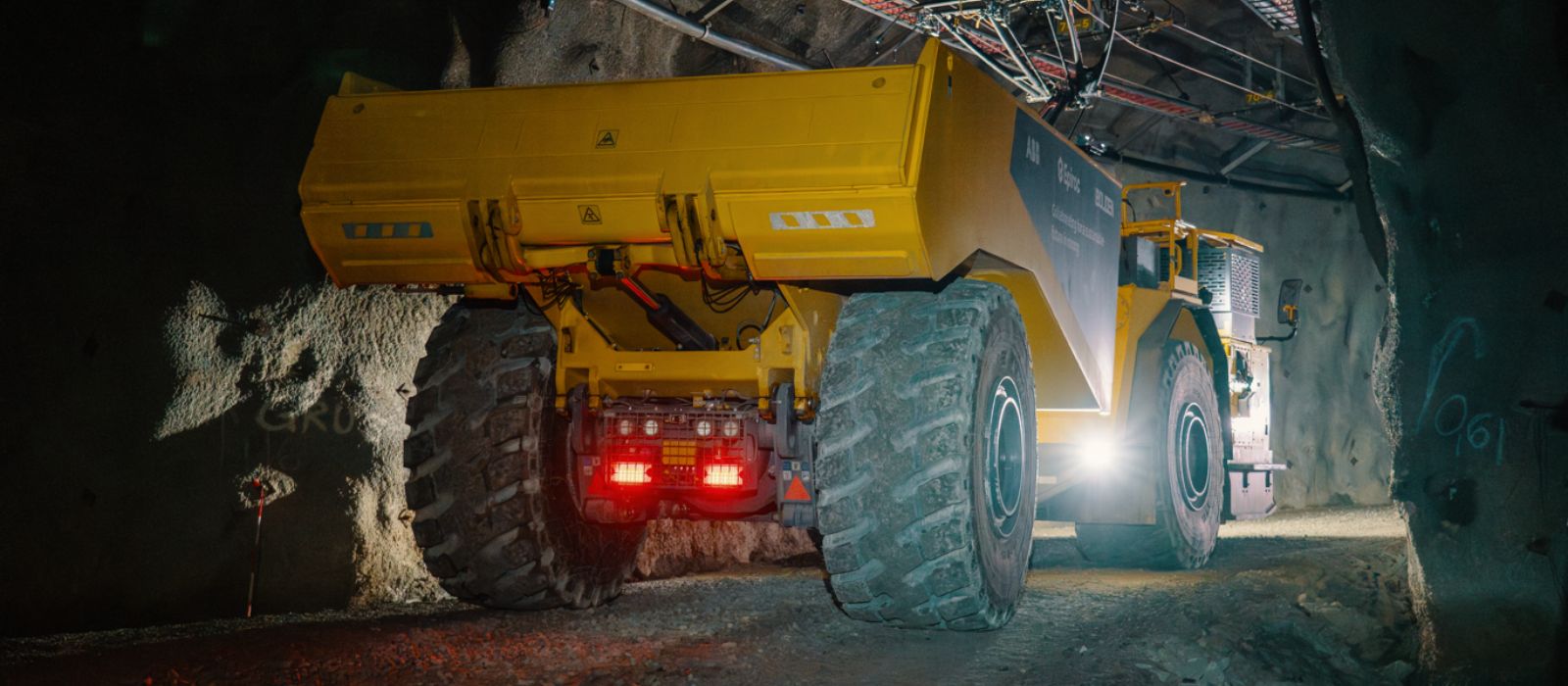
Technology providers and C-suite executives have been preaching electrification as a futuristic ideal for some time. This article explores three questions regarding mining electrification, which are unpacked in more detail in ABB’s whitepaper ‘Building the all-electric mine’.
Introduction
Electrification is no longer a futuristic concept. The past few years have shown that it is a proven method of significantly boosting performance, as well as reducing emissions. From haul trucks to loading equipment and conveyors, it’s now possible to electrify a wide range of vehicles and machinery. These days, everyone can take steps towards an ‘all-electric mine’, where small, smart shifts deliver big performance gains.
This transition is becoming increasingly critical for mining. First, the industry accounts for up to seven per cent of all greenhouse gases. At the same time, declining ore grades need more energy to extract, and new mining projects are often located in remote areas, far from established power infrastructure. Together, these realities make the integration of renewable energy sources not just desirable but essential for ensuring reliable, cost-effective, and low-emission operations across the mining value chain. Ultimately, this also improves productivity, efficiency and safety.
But for many in mining, questions remain, with 30 per cent of mining leaders reporting being behind in their 2030 decarbonisation targets. On top of this, KPIs are relentless, safety must always come first, and any change must maintain or increase profitability.
Let’s recap: the last five years
It’s been all change for mining in the last five years since ABB’s 2021 whitepaper on building the all-electric mine. Falling commodity prices and rising costs have squeezed the industry, and many companies have missed production targets. This transition is becoming increasingly critical as ore grades continue to decline, requiring more energy to extract and process the same amount of metal.
Against this complex backdrop, mining talent now has higher expectations. Many now look for a technology-first work culture, where fair pay, job security, flexible working practices, and career prospects all come together as standard.
But while the years have undoubtedly been tough, electrification has progressed. Mines embracing electrification are starting to deliver speed, efficiency, and safety, as well as decarbonisation. As a result, many mining companies agree electrification is necessary for boosting productivity, efficiency and safety, as well as decarbonisation.
Common questions about electrification
Let’s explore three questions and concerns that mining teams have about electrification, and consider whether a “start small, think big” approach could be beneficial for your organisation.
Question 1: Is now the right time?
Some may doubt if it’s the right time to invest in electrification, especially as electrification technology does evolve. Why not wait another five years to electrify, when the technology could be even better?
Highly effective electrification technologies are already available, and the reality is that targets aren’t going away any time soon. If you don’t adopt electrification technology today, you may face bigger disruption tomorrow. Mining teams need to prepare for electrification, so that when the time comes, they don’t face massive capital expenses all at once. It is worth noting that mines don’t have to electrify their whole operation at once, instead focusing on a systematic ‘step-by-step’ approach. This ensures minimal disruption while still delivering impact in a timely manner.
Question 2: What are the risks?
Change and risk often go hand in hand. Some worry electrification will add complexity to their mines instead of simplifying operations. Others are concerned about power stability, fear unexpected downtime and integration challenges, and wonder if an electric fleet will overload the grid.
It’s true that integrating electric (either diesel- or battery-electric) vehicles into mines – the final stage of the electrification journey – will mean energy load requirements are more volatile. With renewables playing a larger part in powering remote sites, this will impose additional constraints.
However, new mining projects are often located in remote areas, far from established power infrastructure. These realities make the integration of renewable energy sources not just desirable, but essential for ensuring reliable, cost-effective, and low-emission operations across the mining value chain.
Question 3: How will my team adapt?
Some are concerned about their workforce and capabilities: specifically, they worry their team won’t be able to adapt to new vehicles and machinery. Operators are accustomed to driving a diesel fleet and new processes can mean retraining. Additionally, there are fears that automation might equate to job losses, and doubt that electrification truly makes work safer or easier.
The truth is, electrification and automation must remain closely integrated to drive productivity and success. The move towards electrification and automation will require an integration of power and fleet management systems, to enable best use of renewable power sources and optimisation of energy use and greater efficiency.
If you would like to explore more in-depth answers to these questions and learn more about electrification technology, you can visit the ABB website here.