
When Ventilation Fails: Lessons from Two Mining Disasters
Lessons from Pike River and Upper Big Branch on ventilation, monitoring and decision-making.
About this event
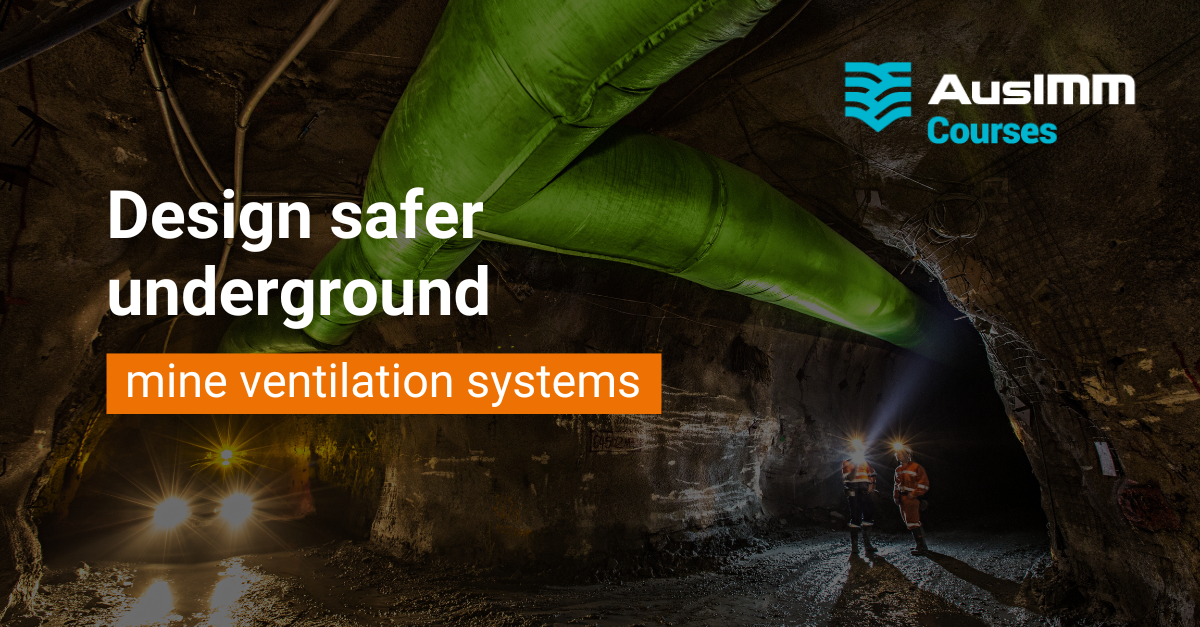
Mine ventilation is a critical component of safe and effective underground mining operations. In this free webinar, Dr. Nikky LaBranche will use the Pike River and Upper Big Branch mining disasters as case studies to examine the ventilation and gas-management issues identified in the investigations, the role of monitoring and warning signs, and how operational and organisational decision-making can influence the effectiveness of technical controls. The session will focus on practical lessons for today's mining industry, highlighting ventilation as a broader system involving design, monitoring, communication and decision-making.
The session will also introduce AusIMM's Professional Certificate in Mine Ventilation, commencing on 28 September 2026. This fully online, eight-week professional development program equips mining professionals with practical skills in ventilation system design, airflow management, gas and contaminant control, ventilation planning and system optimisation. Designed specifically for underground mining environments, the course helps participants develop the capability to identify and prevent common ventilation failures, improve safety outcomes and apply industry-leading practices across real-world operations.
Date and Time
12.30pm – 1.30pm (UTC+10:00)
Venue
Cost
Who should attend?
 |
 |
 |
 |
|
Safety and occupational health professionals |
Environmental and regulatory professionals overseeing air quality standards |
Mine ventilation engineers and ventilation officers |
Mining engineers (graduate through senior) and mining consultants |
Mine managers, superintendents, and technical services professionals |
Meet your presenter
Dr. Nikky LaBranche
Dust and Respiratory Health Program Lead,
University of Queensland
Dr Nikky LaBranche is a mining engineer and occupational health researcher with more than 20 years of experience in the resources sector. As Dust and Respiratory Health Program Lead at The University of Queensland's Sustainable Minerals Institute, she specialises in airborne contaminants, dust exposure and respiratory health in mining environments. Her award-winning work in dust characterisation has helped advance occupational exposure risk management and improve worker health outcomes across the industry.
Areas of expertise
🔷 Dust and respiratory health in mining
🔷 Airborne contaminant monitoring and control
🔷 Occupational exposure risk assessment
🔷 Dust characterisation and analysis
🔷 Mining health and safety
🔷 Respiratory disease prevention
🔷 Occupational hygiene in mining environments
🔷 Ventilation-related health controls