


Keynote speaker
Keynote speaker
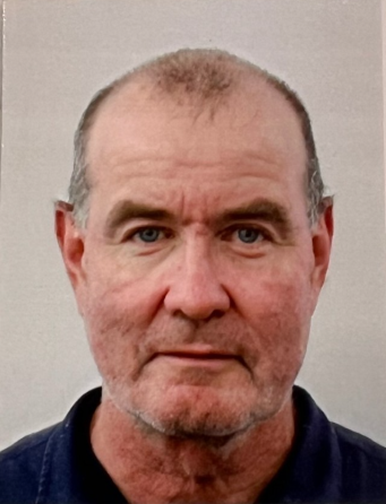
Martin Lynch
Martin Lynch is a graduate of The University of Queensland where he earned a BE Chemical Engineering, after which he worked in a variety of operational and analytical roles in several mining companies, including Rio Tinto and Iluka Resources. In 2009 he became the owner and manager of a small business specialising in solar hot water, solar power and energy storage. He sold the business in 2024, and since then has been pursuing a PhD at the University of Queensland’s Sustainable Minerals Institute. He has an interest in how the business of mining is driven by events and trends in the broader economy, on which he has written several academic papers and a book, Mining in World History.
Keynote presentation and synopsis:
Substitution as the solution to mineral shortages: the case of copper
The prospect of shortages of critical minerals is a recurrent topic of discussion. In the case of copper, there is a widespread expectation among forecasters that global shortages will occur starting in the early 2030s and continuing for 10 or 15 years. The primary lever for alleviating these shortages is seen to be an increase in mine production capacity, with the secondary lever being an increase in recycling. Most forecasters either downplay the potential contribution of substitution, or overlook it entirely. This presentation will show that, in fact, substitution potentially has a major, even decisive, role to play. Substitutes have supplied at least one third of the demand for global copper over the past 50 years. And, of the copper consumed globally in 2023, more than half of it could have been replaced by substitutes with minimal loss in end-use product functionality or affordability. This points to a broader issue in mineral economics: the potential for mineral substitution to supply critical minerals, and the barriers to doing it, is a subject not well understood by most industry participants. This lack of understanding runs the risk of overlooking an important contributor to future mineral supply.