

Master the first principles of underground mining
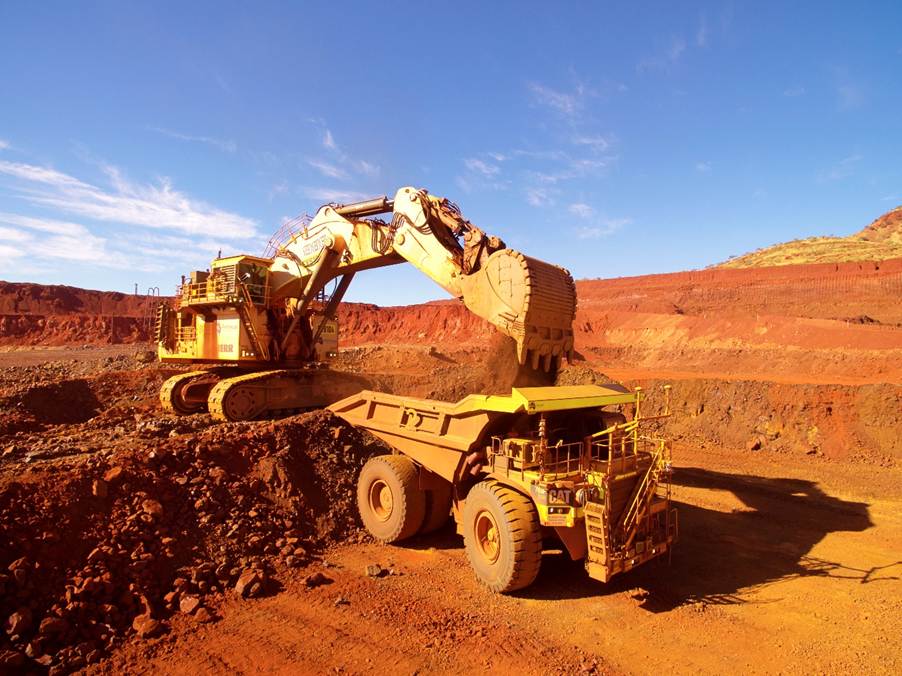
The modern underground mining environment is becoming increasingly complex. As operations extend to greater depths, engineers are confronted with more challenging geotechnical conditions, evolving mining sequences, and increasingly sophisticated infrastructure networks required to support safe and efficient production.
At the same time, mining legislation has shifted toward risk-based frameworks, placing greater responsibility on site teams to identify hazards and implement appropriate engineering controls rather than relying on prescriptive rules. In this environment, robust design, strong technical judgement, and clear communication are no longer advantages; they are essential.
Bridging the gap between theory and reality
For many engineers, the transition from university to site is one of the steepest learning curves in their career. In theory, mining systems are structured and predictable. In practice, the underground environment is highly variable, time-constrained, and operationally complex. Early-career engineers are often placed into fast-paced roles where the priority is delivering tasks such as issuing plans, updating schedules and meeting production demands.
The challenge is that this environment can limit the opportunity to fully understand the first principles underpinning those tasks. Over time, this creates a critical gap: engineers may become highly competent at executing site-specific processes, but lack the deeper understanding required to adapt those skills across different orebodies, mining methods, or operations. Developing a strong foundation in first principles ensures that skills remain transferable and that engineers can respond effectively when conditions inevitably deviate from plan.
The role of quality assurance
A common failure point in underground mining is the disconnect between design and execution. Plans that appear sound on paper can break down at the face due to unrecognised ground conditions, practical constraints, or misalignment with operational practices. For example, a development design may meet all technical criteria but if it doesn’t account for equipment limitations or ground support installation challenges, it can lead to delays, rework, or increased exposure to risk.
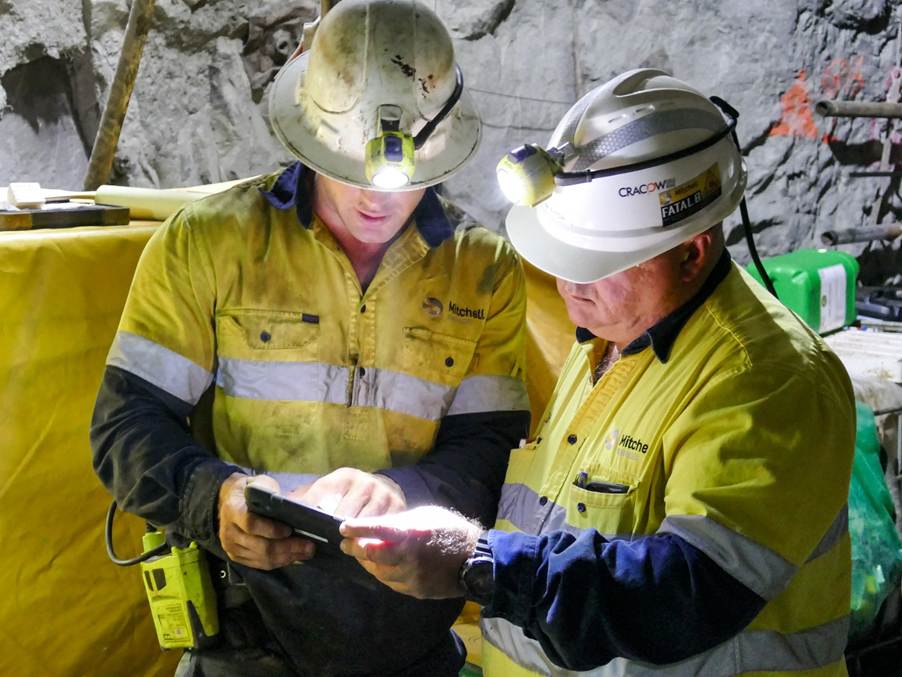
This is where Design Quality Assurance (DQA) becomes critical. Time spent underground validating assumptions, observing conditions, and stress-testing designs is often underestimated. Yet this infield verification is one of the most effective ways to:
- Identify hazards early
- Reduce rework and production delays
- Ensure designs are practical and executable
- Embed safety controls directly into the plan
Strong design is not just technically correct, it is buildable, safe, and aligned with how work is carried out.
Embedding economic thinking into engineering
The most effective engineers aren't just technical experts; they are the architects of the project’s value. By integrating an economic lens into our daily workflows, we ensure that our technical brilliance translates into sustainable, real-world success for the entire mine. Decisions made in isolation without considering cost, productivity, or long-term value can erode the overall performance of the operation. For instance, if the physics of the project work, but the economics don't, the project doesn't exist. By solving for both simultaneously, we ensure our designs aren't just elegant on paper, but transformative in practice.
Communication: The critical link in mine planning
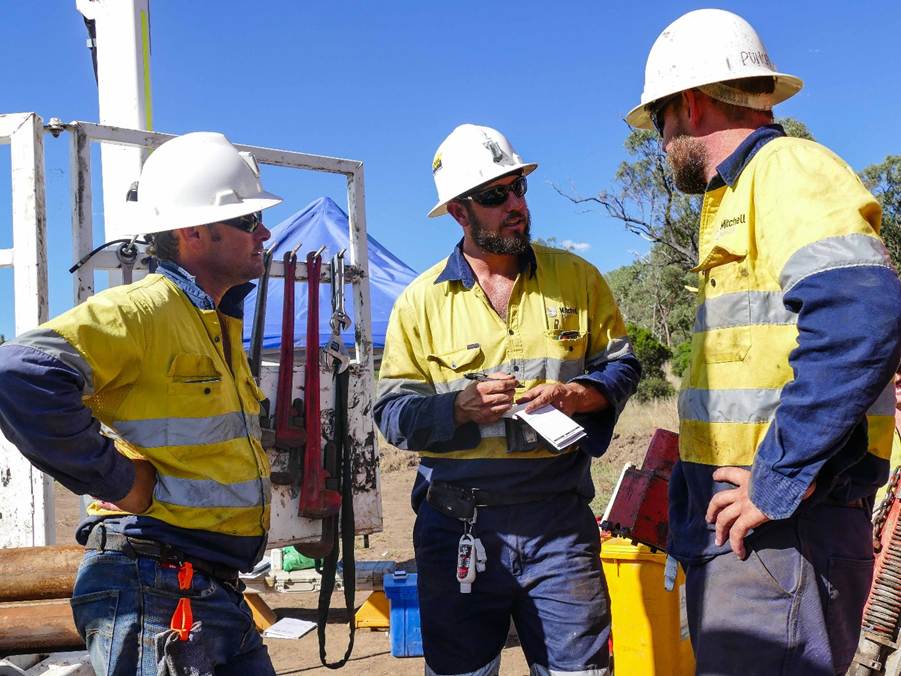
 One of the most common challenges for early-career engineers is learning how to communicate across multiple levels of an organisation. Moving from a peer-based university environment into a role that requires engagement with operators, supervisors, and management can be difficult. Even well-designed plans can fail if the intent is not clearly understood at the operational level.
For instance, if critical controls such as ground support requirements or sequencing constraints are not clearly communicated, teams may unknowingly deviate from the design. This can result in inefficiencies, increased risk exposure, and a loss of confidence in planning outputs. Effective engineers are those who can translate complex technical requirements into clear, actionable instructions ensuring alignment between planning and execution.
The operational risks of planning gaps
When foundational gaps persist, the impacts are significant:
- Increased rework and production delays
- Inefficiencies driven by poorly considered or communicated designs
- Greater exposure to safety incidents
- Reduced confidence in planning outputs from operational teams
- Loss of talent when engineers feel unsupported or overwhelmed
These challenges are not isolated; they compound over time, affecting both performance and culture on site. The AusIMM Associate Certificate course, Underground Mining: Planning, Safety, and Design was developed in response to these exact challenges.
Join the next intake today
Developed with underground engineering specialists from Resolve Mining Solutions, this course closes the critical gap between university theory and real-world site performance and provides early-career professionals with structured access to the knowledge typically gained through experience. It focuses on building a strong foundation in:
- First-principles thinking
- Practical hazard identification
- Design validation and quality assurance
- Economic decision-making
- Effective operational communication
Through virtual classrooms, interactive content, and site-based worked examples, participants engage with realistic scenarios that reflect the complexities of an active mining environment. This course equips early-career mining professionals with the frameworks and practical tools needed to step confidently into underground planning, design, and operations. The goal is not just to improve knowledge but to accelerate confidence, capability, and impact in real operational roles.
Watch the course insights here