
Building Confidence in JORC Reporting and Resource Disclosure
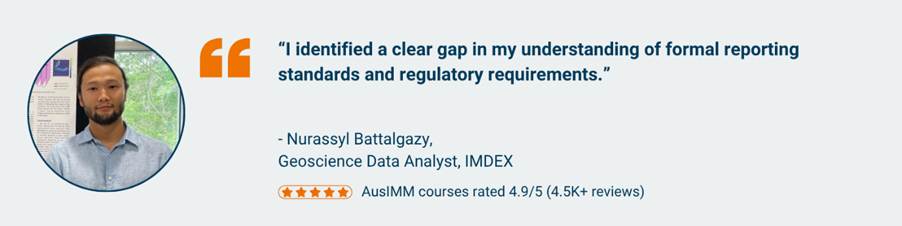
Meet Nurassyl Battalgazy
For many mining professionals, technical expertise is only part of the picture. Understanding how that work translates into industry-recognised reporting can be just as important.
As a Geoscience Data Analyst, Nurassyl Battalgazy spends much of his time working with data, machine learning, and resource estimation models. His role sits at the intersection of technology and mining, helping transform complex datasets into insights that support decision-making.
But as his career progressed, he started asking a different question:
How do technical results ultimately fit within recognised reporting standards?
It wasn’t about learning a new software package or improving technical workflow. It was about understanding the framework that sits behind public reporting and resource disclosure across the mining industry.
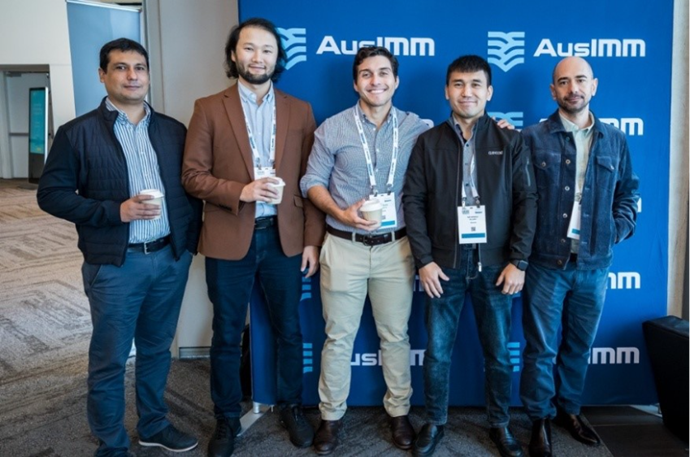
Connecting with fellow mining professionals during an AusIMM industry event
The challenge: knowing the technical work wasn't enough
Like many professionals working in resource estimation, Nurassyl had developed strong technical capabilities throughout his career.
What he realised, however, was that technical accuracy alone isn't what makes a resource estimate credible in an industry setting.
There are reporting requirements, professional responsibilities and compliance expectations that guide how information is communicated and disclosed. Understanding those requirements would become increasingly important as he looked towards future career opportunities and greater professional responsibility.
Rather than waiting until he needed that knowledge, Nurassyl decided to proactively build it.
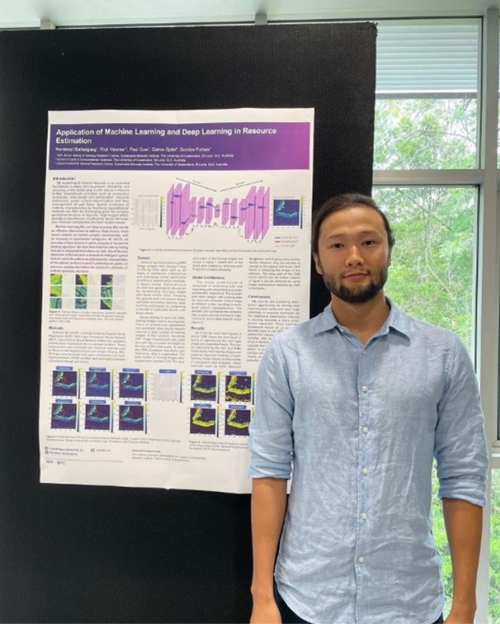
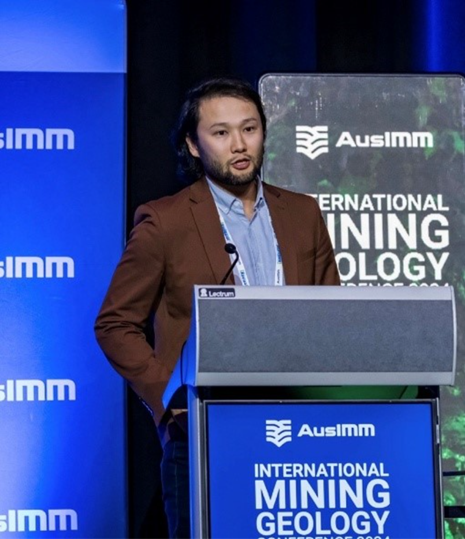
Presenting research on machine learning and deep learning applications in resource estimation
Why the JORC Code Reporting course?
For professionals involved in geology, resource estimation, mining studies, or technical reporting, the JORC Code plays a significant role in establishing reporting standards and expectations. Nurassyl wanted more than a high-level overview. He was looking for structured learning that would help him understand not just what the requirements are, but why they matter and how they are applied in practice.
That led him to AusIMM's online JORC Code Reporting course. One of the deciding factors was its practical focus and alignment with industry expectations.

For someone working in a highly technical role, understanding the broader reporting context was an important next step.
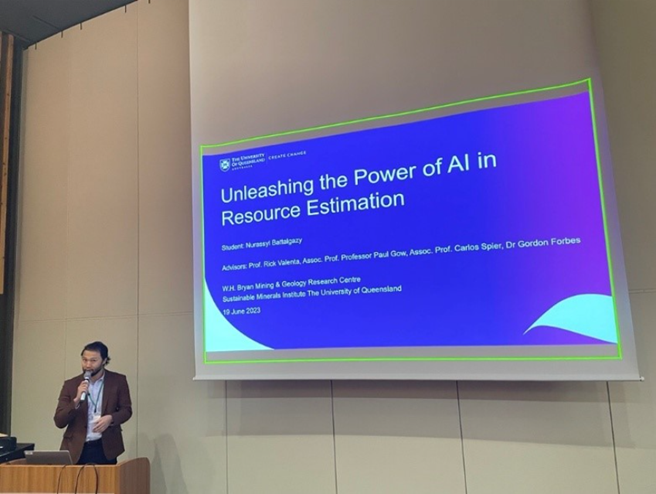
Sharing research on AI applications in resource estimation and mining
What made the learning valuable was the way it connected Nurassyl's existing technical work to the reporting process.
Throughout the course, he gained a clearer understanding of the responsibilities involved in resource reporting, the role of the competent person, and the importance of documentation that can withstand scrutiny and support transparent decision-making.
Rather than viewing reporting as a separate discipline, he began to see how it connects directly to the technical work completed every day.
That practical perspective was particularly valuable because it provided context, not just theory.
Building confidence before the opportunity arrives
One of the most interesting parts of Nurassyl's story is that the impact was not tied to a single project or reporting task. Instead, the course gave him a stronger understanding of resource reporting and greater confidence for future opportunities.
Although he has not yet had the opportunity to directly apply the course learning within a formal reporting process, the experience has strengthened his understanding of industry expectations and increased his confidence in navigating compliance-related discussions.
For many professionals, that is exactly what professional development looks like. You don't always learn something because you need it today. Sometimes, you learn it because you know you will need it tomorrow.
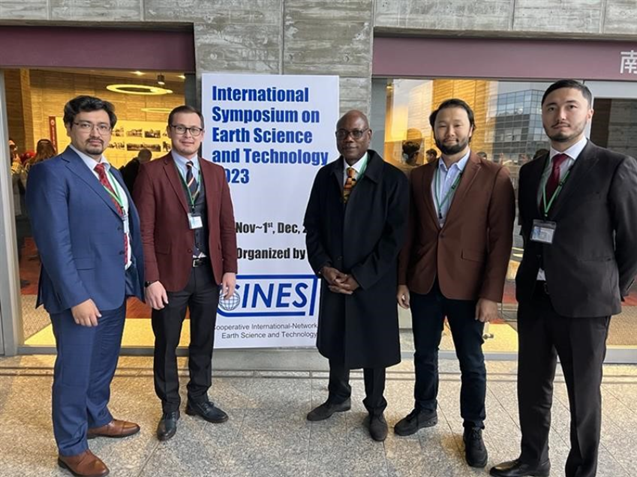
Engaging with researchers and industry professionals at an international technical symposium
Would he recommend the course?
When asked whether he would recommend the course to others in the resources industry, Nurassyl's answer was straightforward: yes.
In particular, he believes it is valuable for professionals involved in resource assessment, estimation, and reporting who want a stronger understanding of compliance requirements and industry reporting expectations.
He also acknowledged the support of IMDEX Limited in providing the opportunity to continue investing in his professional development.
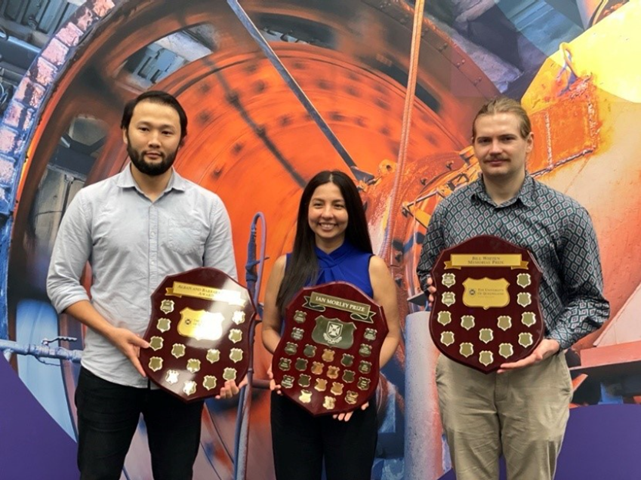
Professional achievements reflect an ongoing commitment to learning and development
Thinking about enrolling in the JORC Code Reporting course?
If you are working in resource estimation, geology, mining studies, data analytics, or technical reporting, you may already have the technical expertise needed to perform your role. The next question is whether you have the same confidence when it comes to understanding reporting obligations, compliance requirements, and industry expectations.
View course details
For Nurassyl, developing that knowledge was not about fulfilling a mandatory requirement. It was about becoming a more well-rounded mining professional and preparing for the responsibilities that come with career progression.
Build a clearer understanding of JORC principles, reporting practices, and how technical work connects to industry-recognised disclosure.